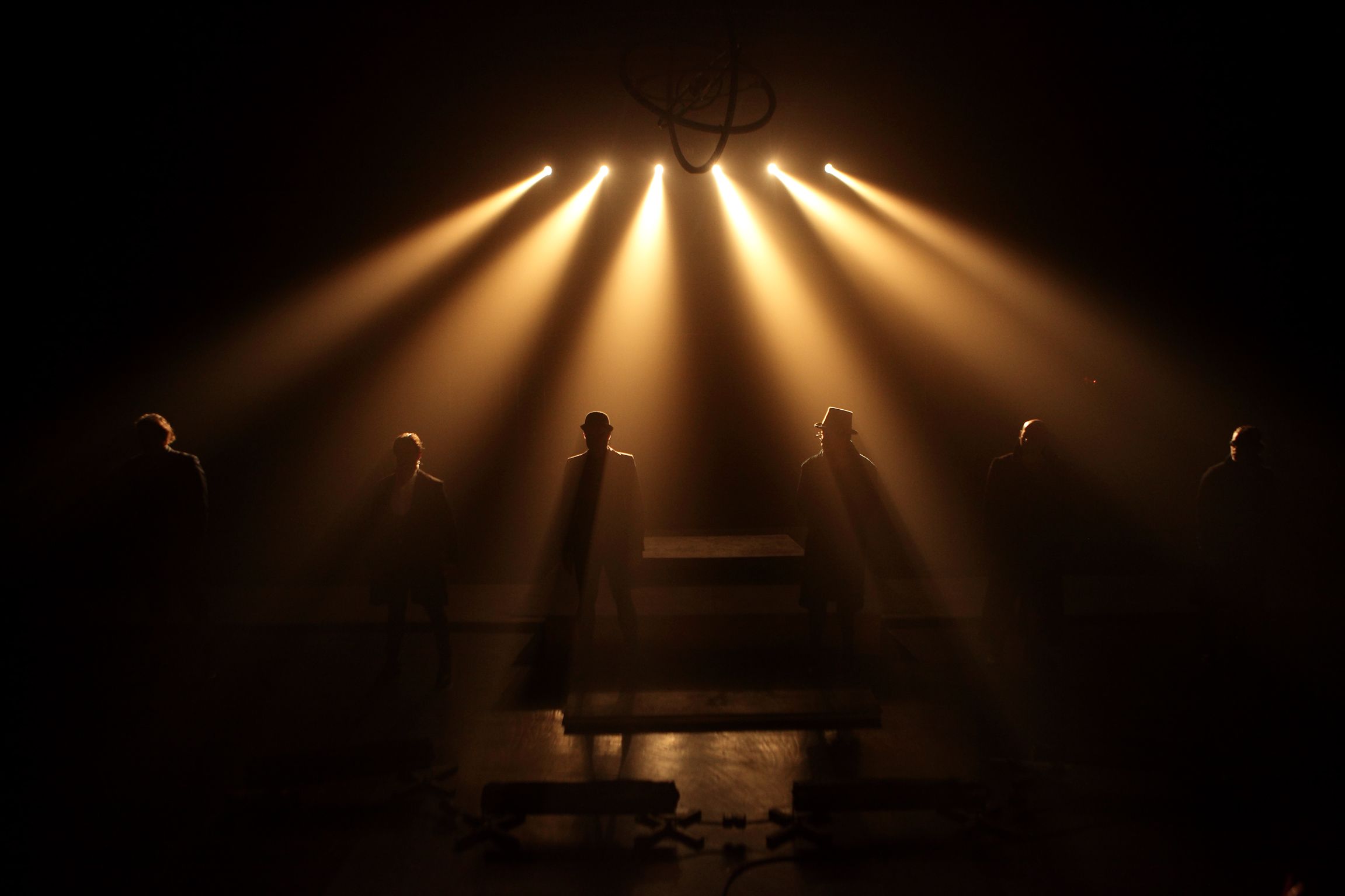
Transform Your Space: 5 Unique Lighting Techniques to Elevate Any Room
Lighting can dramatically transform the ambiance of any room, making it not only more functional but also more inviting. Whether you’re looking to create a cozy retreat or a vibrant entertainment space, utilizing unique lighting techniques can help elevate your interior design. Here are five unique lighting techniques that you can implement to enhance the atmosphere of your home:
- Layered Lighting: Combining ambient, task, and accent lighting allows you to control the mood and functionality of your space effectively.
- Statement Fixtures: Installing bold light fixtures, such as chandeliers or oversized pendant lights, can serve as a focal point in the room.
- Accent Lighting: Use LED spotlights or wall sconces to highlight artwork or architectural features, drawing attention where it is most desired.
- Natural Light Utilization: Maximize the use of windows and mirrors to reflect light, creating an illusion of a larger and brighter space.
- Color Temperature Selection: Adjust the color temperature of your bulbs to set the tone, with cooler lights promoting energy and warmer tones encouraging relaxation.
Counter-Strike is a highly popular first-person shooter game that pits teams against each other in tactical combat scenarios. Players can choose to play as terrorists or counter-terrorists, with the goal of completing objectives such as bomb planting or hostage rescue. For those interested in enhancing their gaming experience, checking out the Top 10 Phone Accessories for YouTube can provide valuable insights and tools for content creation.
Understanding Ambient vs. Task Lighting: Which is Right for Your Space?
When it comes to designing a well-lit space, understanding the difference between ambient and task lighting is essential. Ambient lighting serves as the primary source of illumination, creating a warm and inviting atmosphere throughout the room. This type of lighting is typically indirect, using fixtures such as ceiling lights, chandeliers, or wall sconces to distribute light evenly. On the other hand, task lighting is focused and designed to illuminate specific areas where activities such as reading, cooking, or studying take place. Examples of task lighting include desk lamps, under-cabinet lights, and pendant lights positioned over a kitchen island.
When deciding which type of lighting is right for your space, consider the functionality and aesthetics of each zone in your room. For instance, in a home office, you may want to prioritize task lighting to ensure you can see clearly while working on detailed projects. In contrast, a living room benefits from a combination of both, with ambient lighting setting the mood and task lights accentuating specific reading areas. By carefully balancing these two lighting styles, you can create a harmonious environment that meets both practical needs and enhances the visual appeal of your space.
How to Use Color Temperature to Create the Perfect Mood in Every Room
Understanding color temperature is essential for creating the right ambiance in your home. It refers to the warmth or coolness of light, measured in Kelvin (K). For instance, light bulbs with a lower Kelvin rating (around 2700K to 3000K) emit a warm, cozy glow, making them ideal for living rooms and bedrooms where relaxation is desired. On the other hand, higher Kelvin ratings (above 5000K) produce a cooler, bluish light, which can enhance focus and productivity – perfect for home offices and kitchens. By strategically selecting the color temperature of your lighting, you can set the perfect mood for any space.
To effectively utilize color temperature, consider the following tips:
- Layer Your Lighting: Use a mix of ambient, task, and accent lighting to create depth and versatility.
- Adjust Based on Activities: Use warmer lights for relaxation in evenings, and cooler lights during the day for increased alertness.
- Test Before Committing: Experiment with different lamps and bulbs to see how they affect the overall feel of your room.