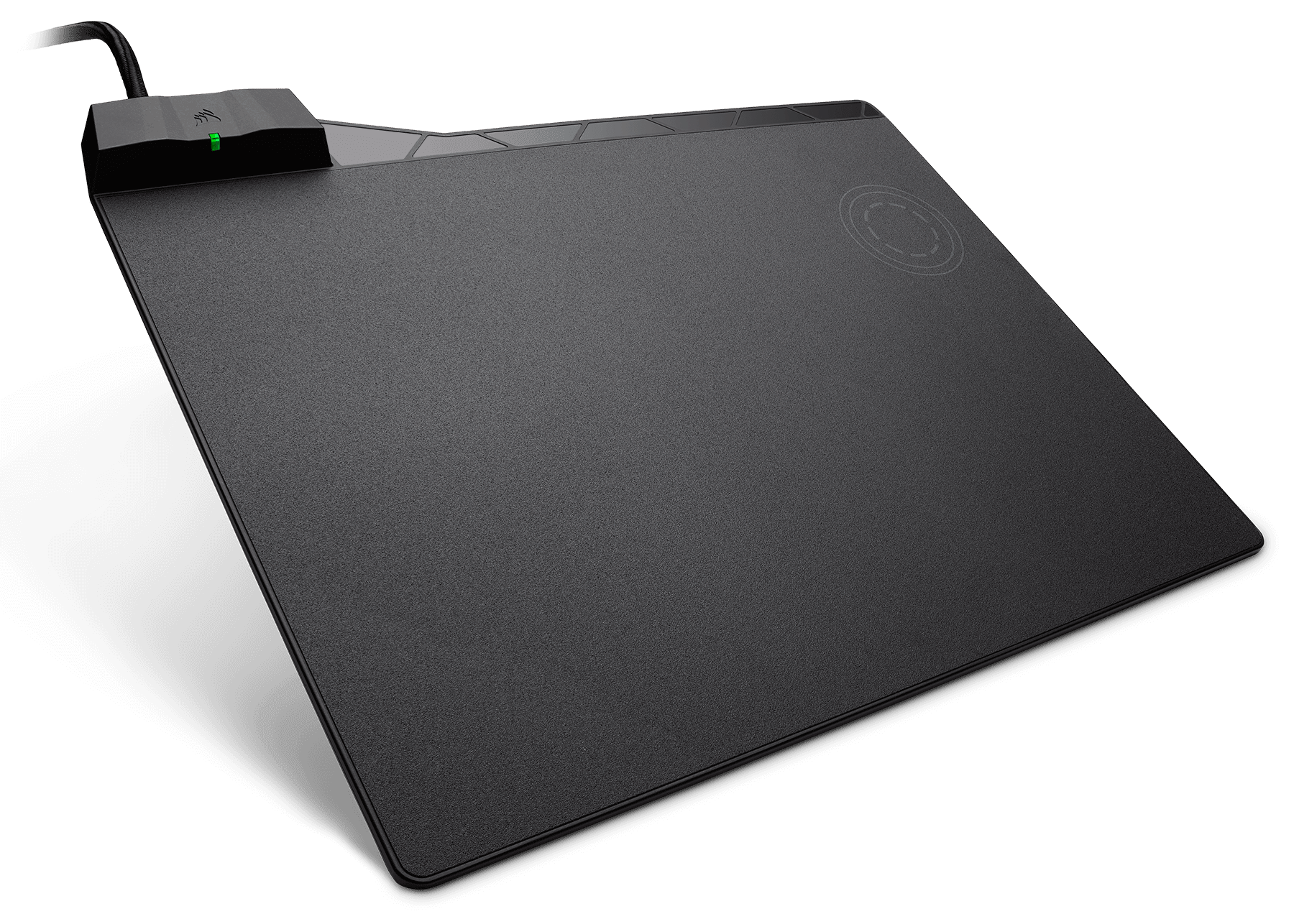
The Science Behind Charging Pads: How They Work and Why You Need One
The science behind charging pads lies in the principle of electromagnetic induction, which allows devices to charge without the need for physical connectors. When a compatible device, such as a smartphone, is placed on a charging pad, an alternating current flows through a coil in the charger, creating an electromagnetic field. This field induces a current in a second coil located within the device, converting it into the direct current needed for battery charging. The efficiency of this process ensures that charging pads provide a similar, if not faster, charging speed compared to traditional wired chargers, provided both the pad and device support the same standards, such as Qi technology.
Investing in a charging pad is not only convenient but also beneficial for your devices. Firstly, charging pads reduce wear and tear on charging ports, which can lead to damage over time. Additionally, the ease of just placing your phone down to charge eliminates the hassle of fumbling with cables, making it more user-friendly. Moreover, with features like smart charging, many modern pads can adjust the power output based on the device's requirements, optimizing energy use and supporting faster charging times. In a world increasingly reliant on mobile technology, a charging pad is a practical solution that enhances both the longevity of your devices and your overall user experience.
Counter-Strike is a highly popular tactical first-person shooter that emphasizes teamwork and strategy. Players can choose to play as terrorists or counter-terrorists, completing objectives like bomb defusal or hostage rescue. For gamers interested in enhancing their setup, check out the Top 10 magsafe chargers to ensure they have the best gear for immersive gaming sessions.
Top 5 Benefits of Using Wireless Charging Pads Over Traditional Chargers
In today's fast-paced world, convenience is key, and wireless charging pads offer an optimal solution for powering up devices without the hassle of tangled cords. One of the most significant benefits is the elimination of clutter, as these pads can accommodate multiple devices simultaneously, reducing the need for multiple chargers. Additionally, wireless charging technology typically includes built-in safety features such as temperature control and overcharge protection, which ensure that your devices are powered safely and efficiently.
Another advantage of using wireless charging pads is their ease of use. With just a simple placement of your phone or compatible device on the pad, you can initiate charging without fumbling with cables. This user-friendly approach is particularly useful for busy environments or for those who may have mobility challenges. Moreover, many modern wireless chargers now support fast charging capabilities, making them as efficient, if not more so, than traditional chargers. Overall, transitioning to wireless charging can streamline your daily routine while offering premium protection and convenience.
Are Charging Pads Safe? Debunking Myths and Addressing Concerns
As the popularity of charging pads continues to rise, many consumers express concerns about their safety. One common myth is that these devices emit harmful radiation. However, studies have shown that wireless charging technology operates within safe limits comparable to those of other household devices. Additionally, charging pads are designed with safety features such as overheating protection and foreign object detection, which help ensure that your devices charge efficiently without risk.
Another prevalent concern is the potential for battery damage when using a charging pad. While it is true that improper charging can harm a device's battery, reputable manufacturers have engineered their products to prevent overcharging and optimize the charging process. Moreover, the convenience of charging pads often encourages users to maintain their devices more effectively, keeping them charged and reducing the likelihood of deep discharges that can lead to battery degradation over time.