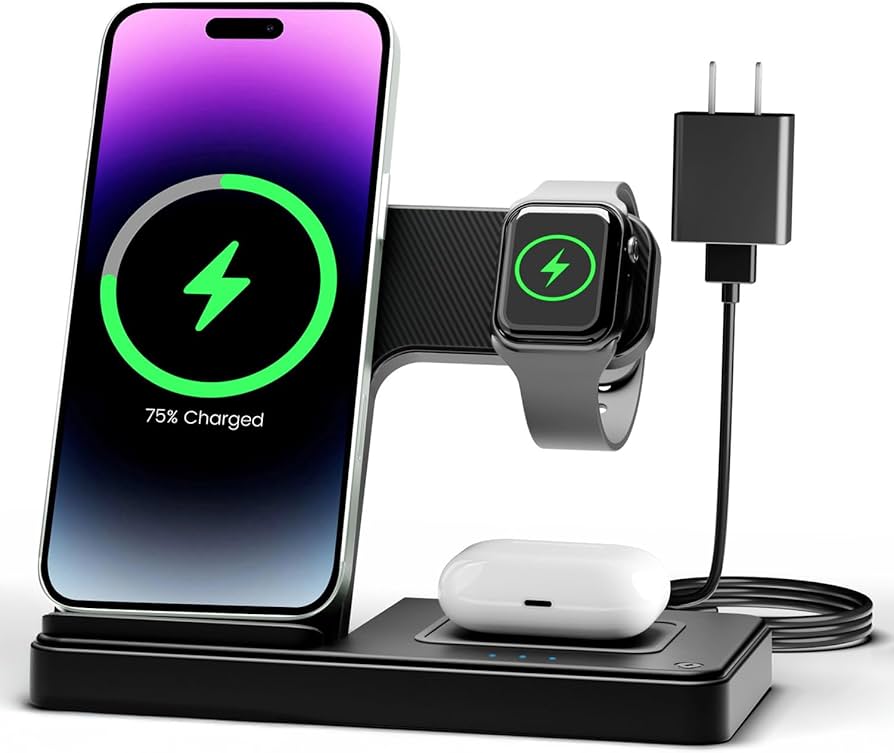
The Evolution of Smartphone Charging: From Wall Plugs to Wireless Power
The journey of smartphone charging has transformed dramatically over the years, shifting from traditional wall plugs to advanced wireless power solutions. Initially, mobile devices relied heavily on cumbersome chargers that plugged directly into wall sockets, often leaving users tethered to a limited reach. As technology progressed, we saw the introduction of rapid charging technologies and USB interfaces that improved convenience and efficiency. The evolution of smartphone charging has been driven by not just a desire for faster power, but also by a need for greater portability and ease of use.
Today, the advent of wireless charging stands as a significant milestone in this evolution. It enables users to charge their devices simply by placing them on a charging pad, eliminating the hassle of tangled cables and worn-out connectors. Furthermore, innovations such as fast wireless charging have enhanced this technology, bringing charging times closer to those of traditional cords. As we look to the future, the integration of wireless power technologies is expected to expand into everyday environments, paving the way for an even more seamless user experience in the dynamic landscape of smartphone charging.
Counter-Strike is a popular first-person shooter game that has become a staple in the esports community. Players can choose from various game modes, which often involve team-based objectives. For gamers looking to enhance their experience, check out the Top 10 usb c accessories that can improve connectivity and performance.
How Your Smartphone Influences Renewable Energy Adoption
The influence of smartphones on renewable energy adoption is multifaceted, as these devices have revolutionized how individuals engage with energy consumption and management. Firstly, smartphones facilitate real-time monitoring of energy usage through various apps and IoT (Internet of Things) devices, allowing users to track their consumption habits and identify opportunities for improvement. By providing data on energy production and usage, these tools empower users to make informed decisions about their energy sources, effectively increasing the demand for sustainable options like solar and wind power.
Furthermore, smartphones are pivotal in raising awareness about renewable energy through social media platforms and online communities. Individuals can share their experiences, successes, and challenges related to adopting renewable technologies, creating a ripple effect that encourages others to explore similar options. As users engage with content that highlights the benefits of sustainable living, such as reduced carbon footprints and cost savings, the overall interest and investment in renewable energy solutions continue to grow.
Are Smart Devices the Key to a Sustainable Energy Future?
The rise of smart devices has sparked a crucial conversation around sustainability and energy efficiency. As the world grapples with the realities of climate change, the adoption of intelligent technologies could be the key to a sustainable energy future. Smart devices, such as thermostats, lights, and home appliances, can communicate with each other and optimize energy usage based on user habits and preferences. For instance, a smart thermostat can learn your schedule and adjust the heating or cooling accordingly, significantly reducing energy consumption and costs. This level of automation not only enhances convenience but also decreases carbon footprints, making it an essential tool in the pursuit of a greener planet.
Beyond individual households, the integration of smart devices into energy grids offers a transformative potential for managing energy distribution on a larger scale. Smart meters provide real-time data about energy usage, allowing consumers and providers to identify peak demand times and adjust consumption patterns. By implementing smart grids, energy companies can better harness renewable resources and reduce reliance on fossil fuels. As we move toward an era where energy sustainability becomes imperative, leveraging these advancements in technology will certainly be critical for achieving a sustainable energy future.