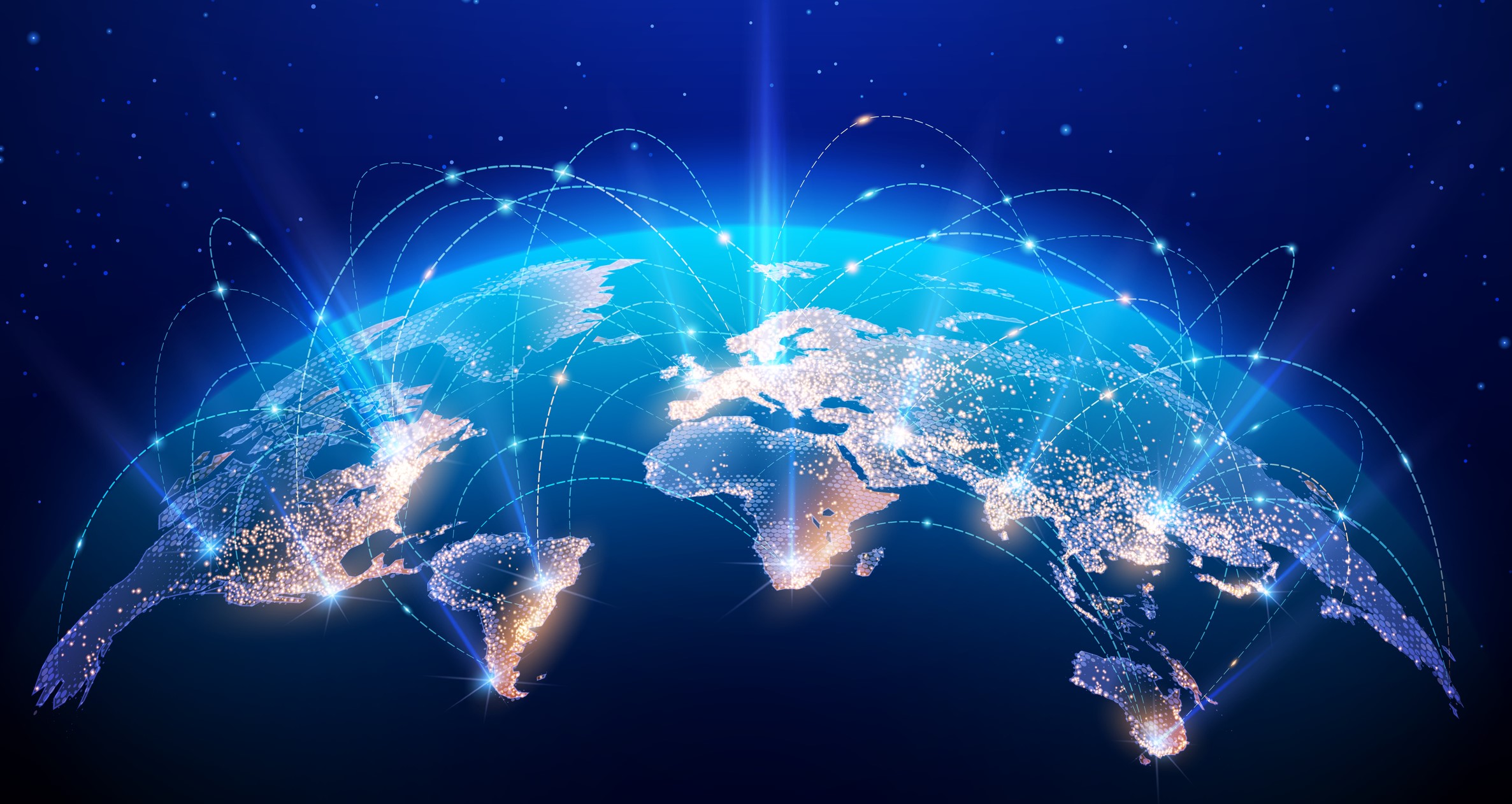
The Impact of Connectivity on Our Daily Lives: Exploring the Invisible Thread
The impact of connectivity on our daily lives is profound, serving as the invisible thread that weaves together personal relationships, work dynamics, and global interactions. In an age where information is at our fingertips, the ability to connect instantly with people across the globe facilitates not only communication but also collaboration and creativity. According to recent studies, over 50% of adults report feeling more connected to distant family and friends through social media platforms, highlighting the role connectivity plays in maintaining these crucial relationships.
Moreover, connectivity has transformed the way we work, allowing for greater flexibility and efficiency. Remote work, powered by digital tools and platforms, enables employees to collaborate seamlessly regardless of geographical barriers. A recent survey revealed that 75% of workers prefer flexible work arrangements, illustrating that increased connectivity can lead to higher job satisfaction and productivity. As we navigate this new landscape, it's essential to recognize that our level of connectivity shapes not only our personal interactions but also defines the broader social and economic structures in which we operate.
Counter-Strike is a highly popular first-person shooter game that has been a staple in the gaming community since its release. Players compete in teams, taking on roles such as terrorists and counter-terrorists. The game emphasizes strategy, teamwork, and precision, appealing to both casual gamers and competitive players alike. For those looking to enhance their gaming setup, check out the Top 10 macbook docks to find the perfect accessories for your MacBook while diving into intense matches.
How Connectivity Shapes Human Relationships: The Digital Web We Live In
In today's digital age, connectivity plays a pivotal role in shaping human relationships. Social media platforms, instant messaging apps, and other online channels allow individuals to stay in touch regardless of geographical barriers. This new landscape enables users to maintain connections with friends and family across the globe, fostering a sense of closeness that transcends physical distance. However, the digital web also presents challenges; while we may be more connected than ever, the quality of these relationships can sometimes suffer due to a lack of face-to-face interaction. As we navigate this evolving terrain, it becomes increasingly vital to strike a balance between our online and offline interactions.
The impact of connectivity on our interpersonal dynamics can be observed in various aspects of life. For instance, the rise of social media has created new avenues for networking, with individuals forging professional relationships that may not have been possible in a pre-digital era. However, experts warn that such connections can often be superficial, lacking the depth and authenticity of traditional friendships. To ensure that our online relationships are meaningful, it is essential to engage genuinely and to be aware of the psychological effects of digital communication. As we continue to explore the intricate web of human relationships in the digital world, we must prioritize quality interactions over mere quantity.
Is Too Much Connectivity Hurting Our Mental Health?
In today's digital age, the question of whether too much connectivity is damaging our mental health has become increasingly pertinent. While the ability to communicate instantly with friends and family around the globe has its benefits, research indicates that excessive engagement with social media and online platforms can lead to increased feelings of anxiety and depression. A study by the American Psychological Association found that individuals who spend more than three hours a day on social media are at a higher risk for mental health issues. It is essential to consider how our constant connectivity might be contributing to feelings of isolation and inadequacy.
Moreover, the phenomenon of always being online may disrupt our ability to disconnect and engage in face-to-face interactions. Many individuals report feeling pressured to be available 24/7, leading to a blurred boundary between personal and professional life. Consequently, this can result in chronic stress and burnout. To combat these effects, experts recommend implementing digital detoxes or setting specific times to unplug from technology. By recognizing the potential negative impact of our hyper-connected world, we can take steps to protect our mental health and cultivate a healthier relationship with technology.