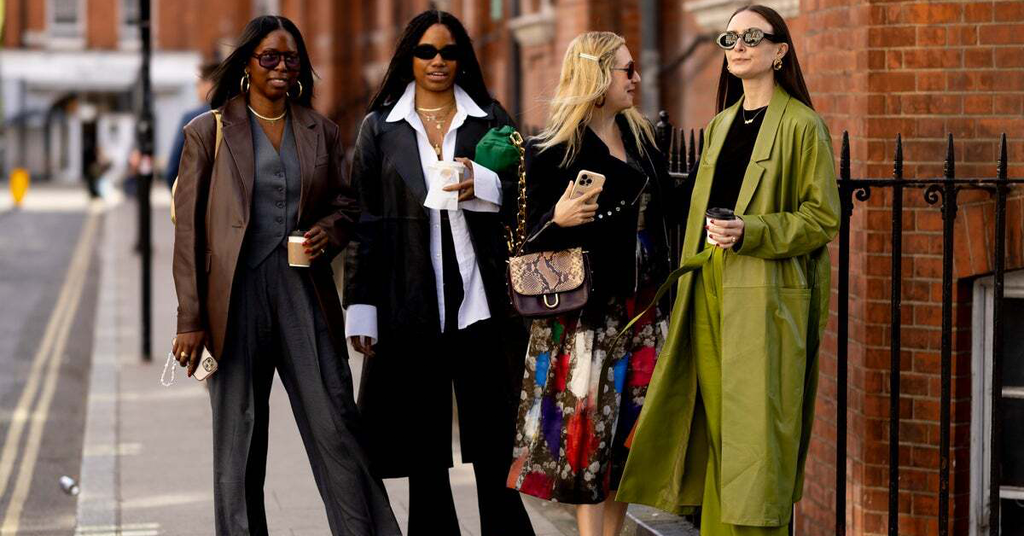
The Psychology of Color: How Your Outfit Choices Impact First Impressions
The psychology of color plays a critical role in how we are perceived by others, particularly in the context of first impressions. Studies have shown that the colors we choose to wear can evoke specific emotions and influence how others view our personality. For instance, wearing blue is often associated with trust and dependability, making it a popular choice for job interviews and formal events. Conversely, colors like red are known to convey passion and energy, which can attract attention but may also be perceived as aggressive in some situations. Understanding the underlying meanings of different colors can help you make informed clothing choices that align with the image you want to project.
Moreover, it's essential to consider the cultural context of colors, as their meanings can vary across different societies. A color that signifies prosperity and success in one culture may have negative connotations in another. For example, in Western cultures, black is traditionally associated with elegance and formality, while in some Eastern cultures, it is linked to mourning. This highlights the importance of tailoring your outfit choices to specific settings and audiences. Ultimately, the colors you wear can significantly impact first impressions, so take the time to select hues that not only reflect your personal style but also resonate positively with those around you.
Counter-Strike is a popular first-person shooter game that pits teams of terrorists against counter-terrorists in various objective-based scenarios. Players can choose different roles and strategies, making it a highly competitive game that emphasizes teamwork and strategy. For those looking to protect their gaming equipment, consider checking out the Top 10 macbook sleeves to keep your device safe while you play.
Dressing for Your Body Type: Tips for Elevating Your Professional Style
When it comes to dressing for your body type, the key is understanding your unique shape and selecting clothing that enhances your best features. Start by determining your body type—whether you're apple, pear, hourglass, or rectangle—and choose styles that flatter your silhouette. For instance, if you have an hourglass figure, embrace fitted dresses that cinch at the waist, while those with a pear shape may opt for A-line skirts that balance their proportions. Remember, the right fit is crucial; tailored pieces can elevate your professional style and convey confidence.
Additionally, don't underestimate the power of accessories and color. Incorporating professional attire that highlights your body type can be as simple as adding a statement belt or choosing vibrant colors that draw attention to your best features. Consider these tips:
- Invest in tailored suits: A well-fitted blazer can enhance your shape and give you a polished look.
- Choose the right fabrics: Opt for materials that drape well on your body without adding bulk.
- Play with proportions: Balance fitted garments with looser ones to create an chic silhouette.
By following these guidelines, you can develop a wardrobe that not only suits your professional needs but also reflects your personal style.
What Does Your Wardrobe Say About You? Unpacking the Messages Behind Your Style Choices
Your wardrobe is a powerful form of self-expression, often reflecting your personality, values, and even your mood. When you choose an outfit, you’re not just picking clothing but crafting a message that speaks volumes about who you are. What does your wardrobe say about you? It can tell a story of confidence, creativity, or even caution. Each piece—whether it’s a brightly colored dress or a minimalist suit—holds significance, offering insights into your lifestyle and priorities. For instance, those who gravitate toward bold patterns may be seen as adventurous and outgoing, while someone who opts for classic, well-tailored items might project a sense of professionalism and stability.
Moreover, the messages behind your style choices can evolve with time. As one transitions through different life stages, their clothing choices may shift, reflecting personal growth or changing social circles. A transition from casual chic to business formal might signify a new career path or a commitment to personal development. Additionally, cultural influences and current trends play a significant role in shaping our wardrobes, illustrating the dynamic relationship between society and style. Ultimately, understanding what your wardrobe conveys can empower you to make conscious fashion choices that align with your true self.