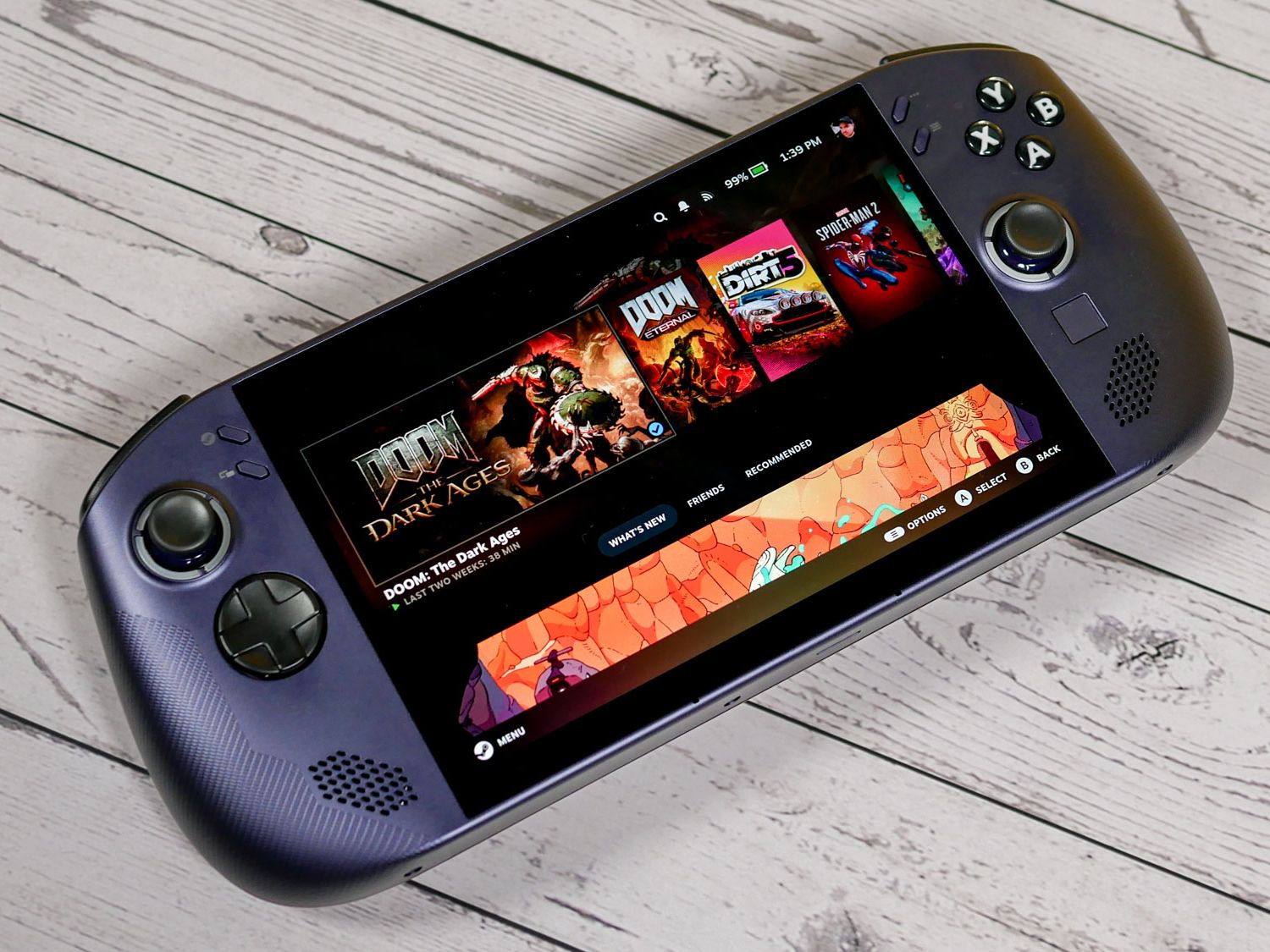
Top 5 Handheld Gaming Consoles That Define Portable Play
In the ever-evolving landscape of gaming technology, handheld gaming consoles have carved out a unique niche by providing players with the ability to enjoy their favorite games anywhere. The blend of portability and performance is what makes these devices truly special. In this article, we’ll explore the top 5 handheld gaming consoles that not only define portable play but also enhance the gaming experience with rich graphics and diverse game libraries.
1. Nintendo Switch: This revolutionary console offers the flexibility of both handheld and home console gaming, making it a favorite among gamers.
2. Steam Deck: With its focus on PC gaming, the Steam Deck lets you take your extensive Steam library on the go.
3. Playdate: An innovative device with a hand-crank, it delivers quirky indie games in a portable package.
4. PlayStation Vita: Although discontinued, the Vita remains a beloved choice for its exclusive titles and stunning graphics.
5. Anbernic RG351MP: A retro gaming powerhouse, perfect for those who enjoy classic games on the move.
Each of these devices showcases how the world of portable play continues to thrive, allowing gamers to indulge their passion without the constraints of traditional consoles.
Counter-Strike is a highly popular first-person shooter game that has captivated players with its strategic gameplay and team-based mechanics. Many gamers seek to enhance their experience by using specialized peripherals, such as controllers, and you can find a great selection at the Top 10 iphone controllers. The game's competitive scene has also fostered a vibrant esports community, making it a staple in competitive gaming.
Exploring the Evolution of Handheld Gaming: From Game Boy to Switch
The world of handheld gaming has undergone a remarkable transformation since the debut of the Game Boy in 1989. Nintendo's pioneering device introduced a new way to experience gaming on the go, captivating millions with its simplistic design and unforgettable titles like Tetris and Pokémon. Over the years, technological advancements led to a myriad of handheld devices, each attempting to build on the legacy of the Game Boy. From the sleek PlayStation Portable (PSP) to the innovative touchscreen capabilities of the Nintendo DS, each iteration expanded the potential of portable gaming, showcasing improved graphics, sound, and user interaction.
Fast forward to the modern era, and we find ourselves at the cutting edge of handheld technology with the Nintendo Switch. Launched in 2017, the Switch revolutionized the gaming landscape by blending console and handheld experiences, allowing players to switch from TV mode to handheld mode seamlessly. This hybrid approach not only broadened the gaming audience but also emphasized the versatility of handheld systems. As we explore the evolution of handheld gaming, it is clear that each step, from the Game Boy to the Switch, has paved the way for an exciting future filled with endless possibilities for gamers around the world.
Is Handheld Gaming the Future of Gaming? Pros and Cons Explained
In recent years, handheld gaming has gained significant traction as technology advances and players seek more flexibility. The convenience of being able to game on the go appeals to a broad audience, allowing for play during commutes, travel, or just while relaxing. With devices like the Nintendo Switch and Steam Deck, players can enjoy console-quality games anywhere. This shift has introduced a new demographic to gaming, promising a bright future for handheld devices. However, despite these advantages, there are notable downsides. Battery life limitations, for instance, can hinder extended gaming sessions, and the controls may not always match the precision offered by traditional consoles.
Another critical aspect to consider when evaluating the future of handheld gaming is the competition it faces from mobile gaming. With smartphones becoming increasingly powerful, many players opt for mobile games that are often free or low-cost, which can detract from dedicated handheld consoles. Moreover, the game library for handhelds, while growing, still may not match the extensive offerings available on major consoles and PCs. In conclusion, while handheld gaming offers unique benefits in portability and ease of access, the challenges it faces from both battery constraints and competition from mobile gaming may impact its future as a dominant player in the gaming landscape.