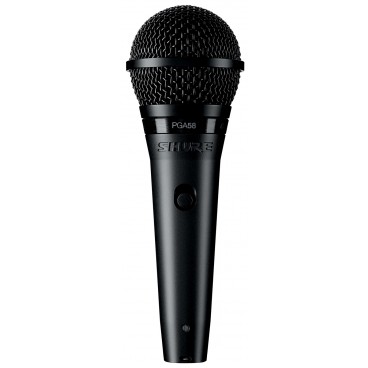
The Evolution of Microphones: From Carbon to Modern Day
The evolution of microphones has been a fascinating journey, starting from the early carbon microphones in the 19th century. Developed by Thomas Edison in 1877, the carbon microphone utilized carbon granules to create an electrical signal that varied with sound waves. This invention paved the way for modern audio technology, enabling clearer communication in telephones and public address systems. As technology advanced, the dynamic microphone, first popularized in the 1920s, further enhanced audio quality by using electromagnetic induction to convert sound into an electrical signal. This made microphones more durable and versatile, contributing significantly to the rise of radio broadcasts and recordings.
Entering the later half of the 20th century, the introduction of the condenser microphone revolutionized sound capture with its ability to pick up a broader frequency range and deliver superior audio fidelity. This remarkable advancement was driven by the development of electronic circuits that could amplify even the faintest sounds. Today’s modern microphones, including USB and wireless models, showcase advanced technologies such as digital signal processing, allowing for unprecedented sound quality and ease of use. This ongoing evolution reflects the relentless pursuit of better sound reproduction, making microphones an indispensable tool for musicians, broadcasters, and content creators alike.
Counter-Strike is a widely popular tactical first-person shooter video game series that pits teams of terrorists against counter-terrorists in various mission types. The game emphasizes teamwork, strategy, and precise shooting skills, making it a favorite in the esports community. For those looking to enhance their online communication during gameplay or meetings, consider checking out the Top 10 Earbuds for Meetings to find the perfect audio solution.
How to Choose the Right Microphone for Your Sound Needs
Choosing the right microphone for your sound needs can significantly impact the quality of your recordings or live performances. First, understand the type of microphone that suits your purpose. Dynamic microphones are great for live situations and are resistant to high sound levels, making them ideal for loud instruments or vocals. On the other hand, condenser microphones are sensitive and capture a broader frequency range, making them perfect for studio recordings where detail and nuance are crucial. Consider factors such as polar patterns, frequency response, and connectivity options when making your decision.
Additionally, budget and brand reputation play an important role in selecting the right microphone. Popular brands like Shure, Rode, and Sennheiser offer reliable options across various price points. It's also beneficial to test microphones whenever possible—visit a local music store to compare models and see which one feels right for you. Remember, the perfect microphone is one that fits both your audio needs and your budget, ensuring you achieve the best sound possible for your projects.
The Science Behind Microphone Picks: Dynamic vs. Condenser
When it comes to choosing the right microphone for your needs, understanding the science behind microphone picks is essential. Two of the most common types of microphones are dynamic and condenser microphones, each having distinct characteristics that make them suitable for different applications. Dynamic microphones operate using a diaphragm attached to a coil, which moves within a magnetic field to convert sound waves into electrical signals. This design makes them robust and perfect for high SPL (Sound Pressure Level) environments, such as live performances and loud instruments.
On the other hand, condenser microphones utilize a different principle, relying on a thin diaphragm placed close to a backplate to create a capacitor. This configuration requires power, usually provided via phantom power, which enables them to capture a wider frequency range and more subtle nuances in sound. Because of their sensitivity, condenser microphones are often favored in studio settings for vocals, acoustic instruments, and detailed sound recordings. Understanding these fundamental differences is crucial for making an informed decision when selecting microphones for your project.