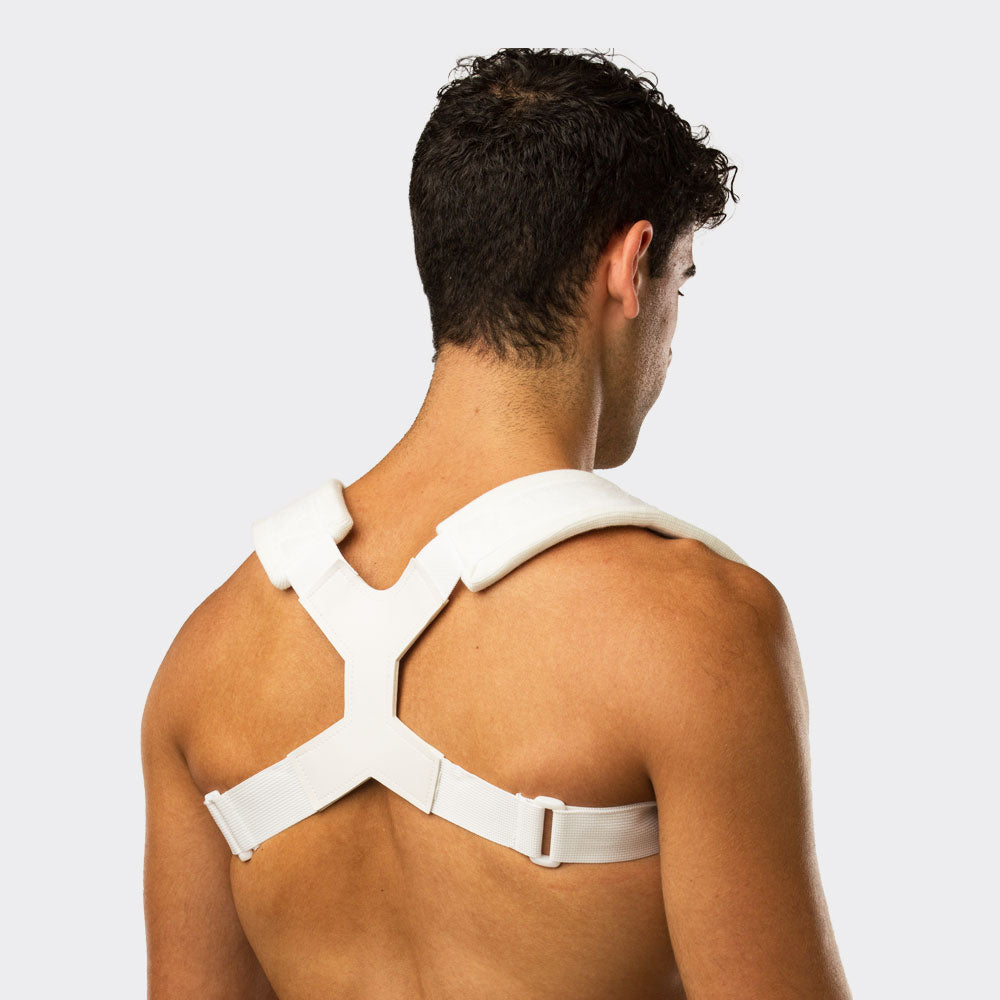
5 Effective Exercises to Improve Your Posture and Combat Slouching
Maintaining good posture is essential for overall health and well-being, yet many individuals struggle with slouching, especially those who spend long hours at a desk. Incorporating targeted exercises into your daily routine can significantly improve your posture and alleviate discomfort associated with poor alignment. Here are 5 effective exercises that can help you combat slouching:
- Wall Angels: Stand with your back against a wall and try to adhere your head, shoulders, and lower back to the wall. Raise your arms to form a 'W' shape, keeping your elbows and wrists in contact with the wall. Slowly slide your arms up into a 'Y' shape and then back down. Repeat this 10 times.
- Plank: This core-strengthening exercise not only strengthens your abdominal muscles but also supports spinal alignment. Hold a plank position for 30 seconds to a minute to build strength and stability.
- Chest Stretch: Stand tall and clasp your hands behind your back. Gently pull your shoulders back and down while simultaneously lifting your arms slightly for a chest stretch. Hold for 15-20 seconds.
- Cat-Cow Stretch: Begin on all fours. As you inhale, arch your back and look up (Cow). As you exhale, round your spine and tuck your chin (Cat). This dynamic stretch improves flexibility and counteracts slouching.
- Seated Rows: Using a resistance band, anchor it at foot level and pull it towards your torso while keeping your elbows close to your body. This strengthens the back muscles, which are crucial for maintaining good posture.
Counter-Strike is a popular first-person shooter game that has captivated millions of players worldwide. Since its inception, it has become a staple in competitive gaming, known for its team-based gameplay and strategic depth. Players often find themselves immersed in intense matches that emphasize skill and coordination, making it a thrilling experience for both casual and professional gamers. If you're spending long hours gaming, you might want to check out these Top 10 Phone Accessories for Neck Pain to ensure you stay comfortable while playing.
Understanding the Importance of Ergonomics: How to Create a Slouch-Free Workspace
In today's fast-paced work environment, understanding the importance of ergonomics is crucial for maintaining both productivity and health. A well-designed workspace not only boosts efficiency but also reduces the risk of musculoskeletal disorders, which are often caused by poor posture. By creating a slouch-free workspace, you can enhance your focus, increase your comfort, and ultimately improve your overall work experience. Key components include the right chair, desk height, and monitor position. Consider the following ergonomic tips:
- Invest in an adjustable chair that supports your lower back.
- Ensure your desk is at the right height, allowing your elbows to be at a 90-degree angle.
- Position your monitor at eye level to avoid straining your neck.
Moreover, promoting ergonomics in your workplace extends beyond just furniture adjustments; it also involves cultivating healthy habits. Incorporate regular breaks to stand, stretch, and move around, which can significantly alleviate tension and prevent fatigue. As you develop your slouch-free workspace, remember to:
- Practice good posture: Sit up straight with your feet flat on the ground.
- Use supportive accessories, like wrist rests for keyboard use.
- Adjust your workstation based on your body’s needs to foster a comfortable environment.
Is Your Daily Routine Contributing to Poor Posture? Tips to Posture Support Lifestyle Changes
Your daily routine plays a crucial role in determining your posture. Many individuals spend hours hunched over their computers or slouched on the couch, leading to chronic pain and discomfort. It’s essential to recognize how both your work environment and leisure activities contribute to your posture. For instance, if you're working at a desk, ensure that your chair and desk are ergonomically designed. This means your knees should be slightly lower than your hips, and your feet should rest flat on the ground. Regularly take brief breaks to stand, stretch, and reset your posture, as this small change can have significant long-term benefits.
Making minor adjustments to your lifestyle can greatly enhance your posture over time. Here are a few tips to incorporate posture support into your daily routine:
- Be Mindful: Always be conscious of your body alignment whether sitting, standing, or walking.
- Exercise Regularly: Engage in strength training and flexibility exercises to strengthen your core and back muscles.
- Use Supportive Furniture: Invest in chairs that promote good lumbar support and correct seating posture.
- Stay Hydrated: Drinking sufficient water can help maintain muscle elasticity and joint lubrication.
Implementing these changes can lead to significant improvements in posture and overall well-being.