Unmasking the Culprit: Why 'Not a Function' Invites Itself to Your Code Party & How to Crash It Early
The notorious "TypeError: X is not a function" error message is a common, yet often frustrating, guest at any JavaScript developer's code party. It typically signifies that you're attempting to invoke something as a function that, in JavaScript's eyes, simply isn't callable. This can stem from a variety of seemingly innocuous mistakes, such as typos in function names, accidentally overwriting a function with a non-function value, or incorrectly referencing an object's method. Consider a scenario where you've defined a variable named myFunction, but later in your code, you assign a string or a number to it, then try to execute myFunction(). The JavaScript engine, quite rightfully, will throw this error because it now sees myFunction as a primitive value, not a callable entity.
Crashing this unwelcome guest's party early and preventing future disruptions requires a keen eye and disciplined coding practices. One of the most common scenarios involves incorrectly binding this in event handlers or callbacks, leading to a method appearing as undefined when called in a different context. Another frequent offender is forgetting to return a function from a higher-order function, or attempting to call a property that simply doesn't exist on an object, thus defaulting to undefined. Developers should also be wary of
- asynchronous operations that haven't completed
- attempting to use a variable before it's properly initialized
- conflicting variable names that shadow intended functions
An uncaught typeerror not a function often indicates that you're trying to invoke something as a function that isn't actually callable. This usually happens when you've mistyped a variable name, or when an expected function reference has become undefined or null.
Beyond the Error Message: Practical Debugging Strategies & Answering Your Top 'TypeError' FAQs
When faced with a TypeError, the instinct is often to immediately Google the exact error message. While this can provide quick fixes for common issues, true debugging prowess extends beyond a simple search-and-pasting exercise. Effective strategies involve more systematic approaches.
- First, always understand the context: what line of code triggered the error, and what data was involved?
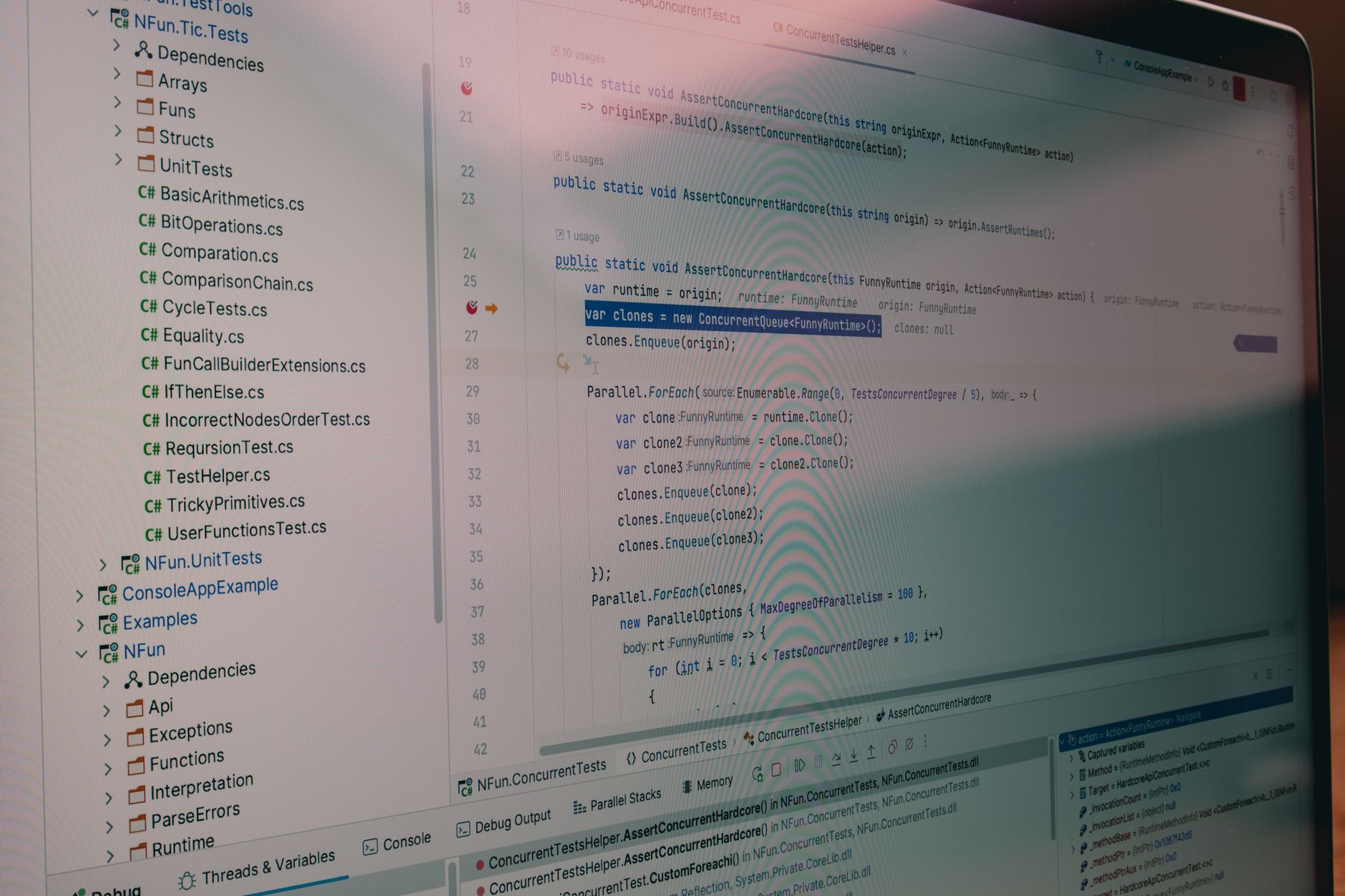
- Next, utilize your development environment's debugger to step through the code, inspecting variable values at each stage.
- Consider unit tests as a powerful debugging tool – a failing test can pinpoint the exact change that introduced the type mismatch.
Beyond proactive debugging, knowing how to answer common TypeError FAQs can significantly speed up your development workflow and help others. For instance, one frequent question is,
"Why am I getting 'TypeError: 'NoneType' object is not callable' when I thought my variable had a value?"The answer often lies in an unhandled edge case or an incorrect function return, leading to a variable being assigned
None unexpectedly. Another common query revolves around implicit type conversions and operand mismatches, such as attempting to concatenate a string with an integer without explicit casting. Mastering these FAQs means you're not just fixing errors, but also building robust, type-aware code from the ground up, minimizing future debugging efforts and accelerating project delivery.