Understanding the House Edge: How Casinos Ensure Their Profit
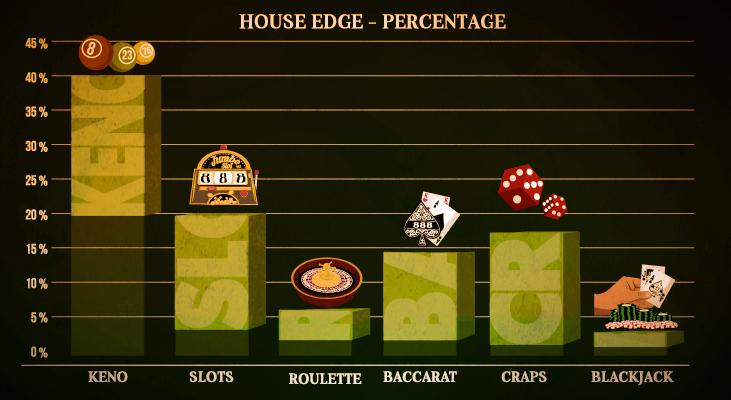
The house edge is a fundamental concept in casino gaming that refers to the mathematical advantage that the casino holds over players. This edge ensures that, over time, the casino will always come out ahead, regardless of individual game outcomes. For example, in games like roulette, the presence of a zero (or double zero) on the wheel gives the casino a permanent edge, as it allows them to pay out less than what players expect based on the odds. Understanding this critical aspect is essential for players who wish to make informed betting decisions and manage their bankroll effectively.
To illustrate how the house edge functions, consider the popular game of blackjack. The basic rules might seem straightforward; however, the varying rulesets and the number of decks used can significantly alter the edge. For instance, if a casino employs multiple decks and has rules that favor the house, the player’s chances of winning diminish. As a result, casinos can employ strategies such as adjusting the payout ratios and implementing limits on certain bets to maintain their advantage. By comprehensively understanding the house edge, players can better navigate the complexities of their favorite games while enjoying the entertainment that casinos provide.
To enjoy great discounts on your next purchase, don't forget to use our shuffle promo code and save big!
Top 5 Strategies to Minimize the House Edge in Popular Casino Games
When it comes to enjoying your favorite casino games, understanding how to minimize the house edge can significantly enhance your chances of winning. The house edge refers to the statistical advantage that the casino has over the player. Here are the top five strategies to help you tilt the odds in your favor:
- Choose the Right Games: Not all casino games offer the same odds. Blackjack, for instance, has one of the lowest house edges, often less than 1%, especially if you use basic strategy. Conversely, games like slot machines may have house edges exceeding 10%. Prioritize games that offer better odds for players.
- Practice Bankroll Management: Set a budget for your gambling session and stick to it. Effective bankroll management can help you prolong your gameplay, increasing the time you have to win. Avoid chasing losses, and never wager more than you can afford to lose.
Are Casino Games Rigged? Debunking Common Myths About the House Edge
The debate surrounding casino games being rigged has fueled numerous myths and misconceptions over the years. It's essential to understand that while casinos do have a built-in advantage, known as the house edge, this does not equate to games being rigged. The house edge refers to the statistical advantage that ensures casinos generate profit over time. For example, in blackjack, the house edge is typically around 1%, which means that for every $100 wagered, the casino anticipates a profit of $1. This edge is a fundamental aspect of gambling and is designed to ensure the viability of the casino, but it is not indicative of unfair practices.
Moreover, reputable casinos are subject to strict regulations and oversight from gaming commissions and authorities, which ensure fair play and transparency. Many online casinos employ random number generators (RNGs) to guarantee that game outcomes are entirely random and fair. It is also important to note that the concept of being 'rigged' implies fraudulent activity, which can lead to severe legal consequences for operators. Ultimately, the reality is that while the house edge influences long-term outcomes, the games themselves are not designed to cheat players; rather, they provide a thrilling experience where players can enjoy the chance of winning.